
A sad case in Wisconsin reveals the alarming reality that people can be arrested and charged with drunk driving despite startlingly little evidence. In a case that a local news station spent significant resources unraveling, it appears as if a Milwaukee Sheriff’s Deputy blamed an innocent woman for drunk driving to hide the fact that he had caused a serious car accident.


Author Archive for dougkans – Page 37
 DWI vs DUI are two terms that drivers across the country are familiar with. Is there a difference between these terms? In certain cases, the answer is yes.
 The controversy surrounding the Minnesota “Get Out of Jail Free Cards” has continued for the past few weeks with the state attorney general and lawmakers stepping into the fray. The issue revolves around a report from a group of college students, which revealed a little-discussed provision of the Minnesota Constitution that appears to provide immunity to lawmakers from arrest, including possibly from DWIs.
 Anyone who has seen enough police procedural shows knows that a crucial part of any arrest involves the officer reading a suspect his or her Miranda Rights. While these warnings are often portrayed as essential to the arrest, often highlighting how the lack of proper notice can be used as a basis for overturning criminal charges, the reality is far less clear-cut. To find out more about Miranda Rights and Minnesota drunk driving stops, keep reading.
 The law in Minnesota says that anyone arrested for suspected drunk driving is required to submit to a breath, blood or urine test to determine their level of intoxication. This requirement is what’s known as the state’s implied consent law. So how does this law work and what are the penalties for refusing to submit to such a test?
 If your license was revoked in Minnesota or you are afraid it might be, the next logical question involves how you will be able to get around and continue your life as normally as possible. The following post will explain how you might qualify for a limited license, which would allow you to continue driving under limited circumstances.
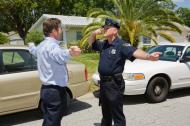 Once a driver has made been subjected to the first two stages of a DUI investigation, the initial stop and the personal contact phases, the officer will need to decide based on that evidence whether the matter should be escalated to the third and final phase of the DWI investigation: the pre-arrest stage.
 We recently discussed some of the signs that police officers look for prior to making a Minnesota DWI traffic stop. Those who are out and about, especially late at night, are at risk of having some even ordinary traffic violations mistaken for indications of impairment. Simple issues like drifting around in your lane of traffic, driving too slowly or haltingly or driving without headlights on in the evening can all be seen as signs that a driver is intoxicated.
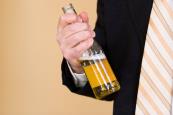 Anyone who has ever been to a bar or hung out at a party long enough is bound to hear tales from others about how a certain type of alcohol has a special or heightened affect on the drinker. Some swear that tequila makes them drunk fastest or that wine gets them slurring words more quickly than beer, etc. So is there truth to this? Do different drinks impact a person’s level of impairment? Keep reading to find out more.
 If you’re out late at night, maybe coming home from a social engagement, a long night at work or even just errands, you may wonder how much of a target you are for cops out for an evening patrol. Some people understandably wonder how to act when pulled over by police or what kinds of actions police officers have been trained to watch for so that they can be sure to avoid raising an officer’s curiosity, even in cases where you may not have had a drop to drink.

 Top 20 DWI Questions in MN
DWI Articles
- An Overview of the DataMaster DMT
- Bad Driving Doesn’t Always Prove DWI
- Blood and Urine Testing Following a Minnesota DWI Arrest
- Choosing the Right Minnesota DWI Attorney
- Degrees of Minnesota DWI Charges
- DUI of Controlled Substances in Minnesota
- DWI Terms and Definitions
- Field Sobriety Testing In Minnesota
- Getting Into Canada Following A DWI Conviction
- Hit and Run
- Minnesota DWI and Mandatory Bail
- Minnesota DWI Laws And Commercial Drivers
- Minnesota License Revocation
- Minnesota Motor Vehicle Forfeitures & Drunk Driving
- Minnesota’s DWI Ignition Interlock Device Program
- MN DWI License Plate Impoundment
- What is a Qualified Prior Impaired Driving Incident?


Minneapolis DWI Lawyer Douglas T. Kans
Map and Directions
Kans Law Firm LLC
7825 Washington Ave S #220
Bloomington, MN 55439
Phone: 952-835-6314
Bloomington, MN 55439
United States (US)
Map and Directions


